What’s the Difference Between Asphalt Patching and Resurfacing?
When asphalt pavement starts to crack, crumble, or develop potholes, many property owners wonder what the best solution is. Two of the most common repair options are patching and resurfacing, but they serve very different purposes. Understanding the difference can help you make the right decision for your driveway or parking lot — and avoid unnecessary costs.
At Perla Asphalt Maintenance, we take the time to evaluate your pavement and recommend the most effective, long-lasting solution. Below, we break down the key differences between patching and resurfacing so you can choose with confidence.
What Is Asphalt Patching?
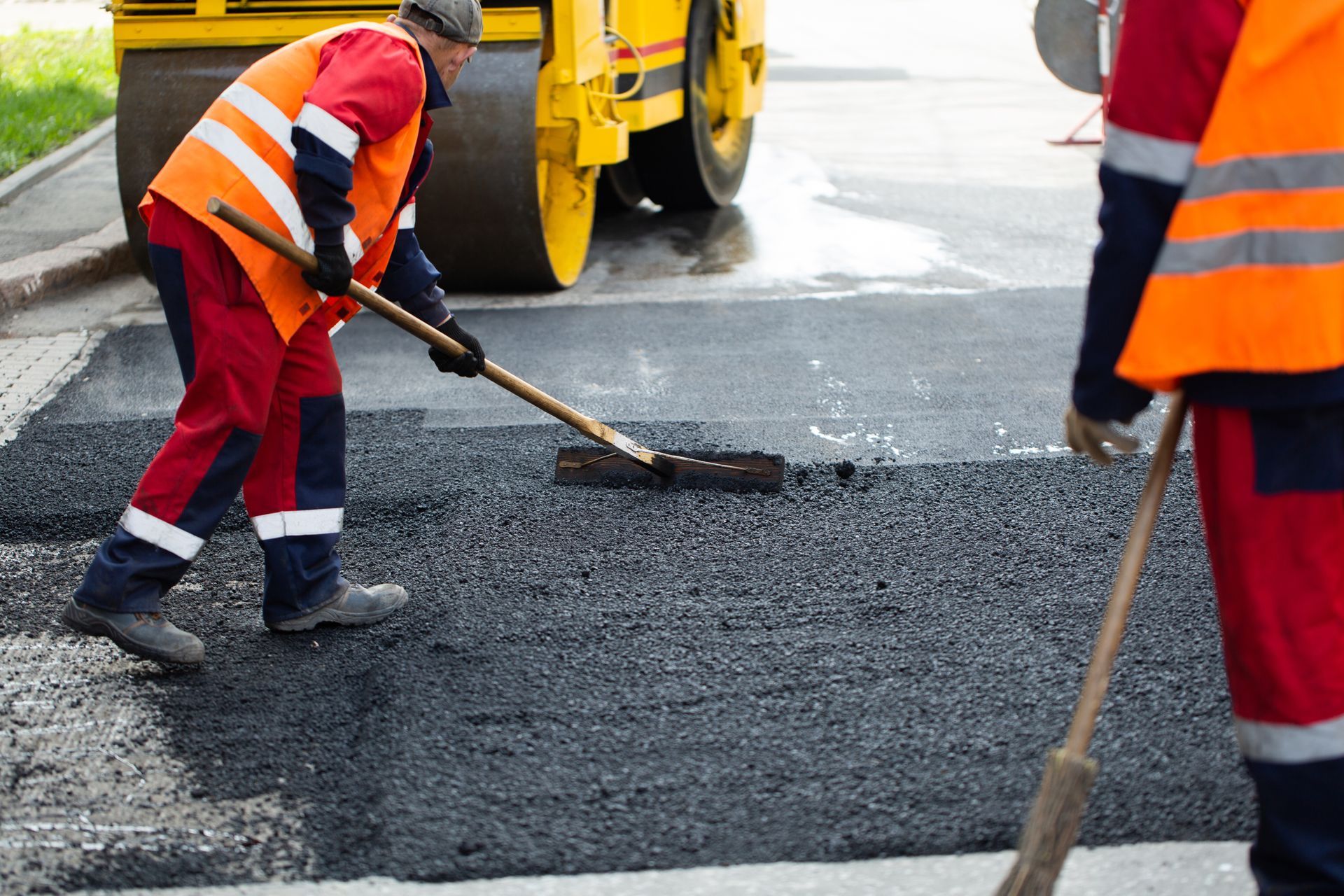
Asphalt patching is a localized repair method used to fix specific problem areas, such as potholes, isolated cracks, or sections of pavement failure. The damaged asphalt is removed, the area is properly prepared, and new asphalt is installed to restore strength and safety.
Patching is best for:
- Potholes and sunken areas
- Isolated cracks or surface failures
- Small sections of damaged pavement
- Preventing further deterioration
Patching is a cost-effective solution when the majority of the pavement is still in good condition. It improves safety, prevents water infiltration, and extends the life of your asphalt when used early.
However, patching is not intended to correct widespread damage or structural problems throughout the pavement.
What Is Asphalt Resurfacing?
Asphalt resurfacing, also known as an overlay, involves installing a new layer of asphalt over an existing surface after proper preparation. This process improves both appearance and performance while extending the pavement’s lifespan.
Resurfacing is best for:
- Widespread surface cracking
- Aging asphalt with a stable base
- Rough or uneven pavement
- Driveways or parking lots nearing mid-life
Resurfacing provides a fresh, smooth surface and can add 10–15 years of life to your pavement when properly maintained. It is more affordable than full replacement and far more comprehensive than patching.
Key Differences Between Patching and Resurfacing
| Feature | Patching | Resurfacing |
|---|---|---|
| Scope of Repair | Small, targeted areas | Entire surface |
| Cost | Lower upfront | Higher than patching, lower than replacement |
| Appearance | Functional improvement | Like-new finish |
| Longevity | Short- to mid-term | Long-term extension |
| Best Use | Isolated damage | Widespread wear |
In many cases, patching and resurfacing are used together. Patching addresses structural problem areas first, followed by resurfacing to create a uniform, durable surface.
Which Option Is Right for Your Property?
Choosing between patching and resurfacing depends on several factors, including:
- The age of your asphalt
- The extent of the damage
- Drainage and base stability
- Budget and long-term goals
In Wisconsin, freeze-thaw cycles can quickly worsen small cracks. That’s why early evaluation is key. Ignoring damage often leads to more expensive repairs or full replacement.
At Perla Asphalt Maintenance, we inspect your pavement thoroughly and provide honest recommendations based on condition, not guesswork.
Schedule Your Free Estimate Today
If your driveway or parking lot is showing signs of wear, don’t wait until small problems become major repairs.
See outside.
Perla Asphalt Maintenance
(608) 960-5810
Free Estimate Available
We proudly serve residential and commercial properties with professional asphalt patching, resurfacing, and maintenance services designed for Wisconsin weather. Contact us today to schedule your free estimate and protect your investment.